

Recognizing Signs of Back-to-School Anxiety in Utah Kids and How Play Therapy Helps

Back-to-school season brings excitement for many families in Salt Lake County and Davis County. Yet, for some children, the return to school triggers more than just the usual nervousness. Parents often wonder, how do I know if my child has back-to-school anxiety or just normal nervousness? Understanding the difference is key to supporting your child through this transition.
This post explores how back-to-school anxiety shows up in children, especially in Utah communities like Sandy, Draper, South Jordan, Bountiful, and Farmington. It also explains how child play therapy in Sandy UT and child psychologists in Bountiful can help children manage separation anxiety and other challenges during this time.
How to Tell Back-to-School Anxiety from Normal Nervousness
Many children feel some jitters before school starts. This is a healthy response to change. But back-to-school anxiety goes deeper and affects a child’s daily life. Here’s a simple comparison:
Normal Nervousness | Back-to-School Anxiety |
Butterflies in the stomach before school | Frequent stomachaches or headaches |
Mild trouble sleeping the night before | Sleep regression lasting weeks |
Talking about worries but still excited | Avoidance of school, clinginess, or tantrums |
Quick recovery once school starts | Persistent sadness, irritability, or sudden aggression |
Able to focus on other activities | Difficulty concentrating or withdrawing socially |
If your child shows signs on the right side of this list, they may be experiencing separation anxiety or other forms of back-to-school anxiety that require attention.
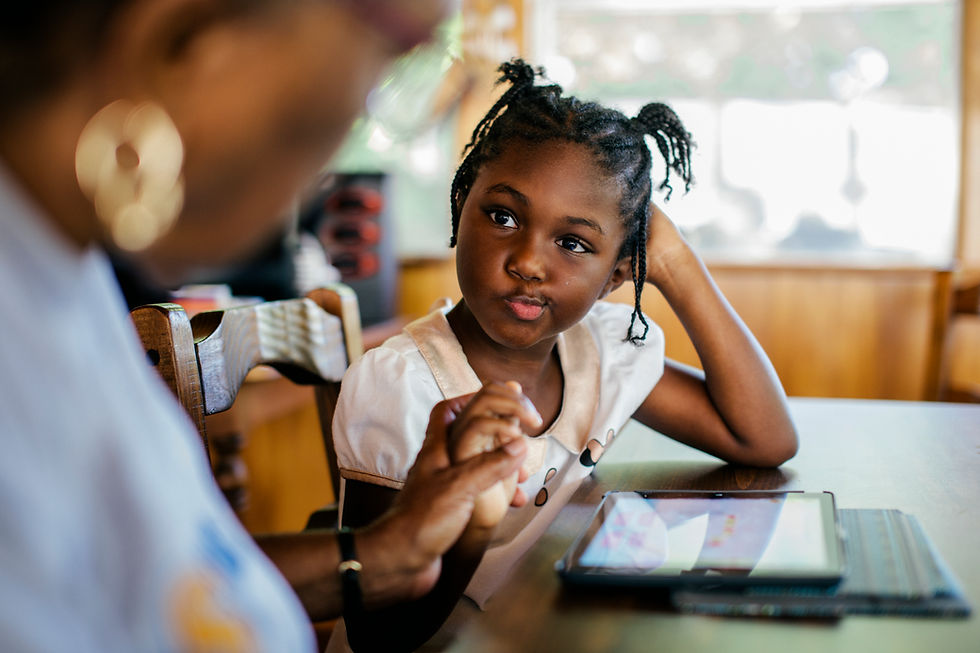
Children often show anxiety through physical symptoms like stomachaches or reluctance to leave home.
How Back-to-School Anxiety Manifests in Children
Back-to-school anxiety can appear in many ways. Parents in Utah often notice these signs in the weeks leading up to the first day of school:
Physical symptoms: Complaints of stomachaches, headaches, or nausea without a clear medical cause.
Sleep problems: Difficulty falling asleep, frequent waking, or nightmares.
Behavioral changes: Increased clinginess, tantrums, sudden aggression, or withdrawal from family and friends.
Emotional signs: Excessive worry about school, teachers, or fitting in with peers.
Academic impact: Trouble focusing on homework or loss of interest in school activities.
These symptoms can disrupt family routines, especially as Utah school districts in Salt Lake and Davis counties typically start classes in mid to late August. The shift from summer schedules to early mornings and structured days can feel overwhelming for some children.
Why Play Therapy Works for Back-to-School Anxiety
Play therapy offers a unique way for children to express feelings they cannot put into words. This is especially helpful for younger elementary students who may not fully understand or communicate their fears.
In child play therapy in Sandy UT, therapists use toys, games, and creative activities to help children:
Explore their feelings about school and separation.
Build coping skills in a safe, supportive environment.
Develop confidence and emotional resilience.
Practice social skills through role-playing.
Play therapy is non-threatening and child-led, which means children feel in control and less pressured. This approach can reduce anxiety symptoms and improve behavior at home and school.
Local Resources for Families Facing Back-to-School Anxiety
Families in Salt Lake County and Davis County have access to specialized support. For example:
Back to school anxiety therapist Utah: Licensed therapists in the area offer tailored programs for children struggling with school transition fears.
Child psychologist Bountiful: Professionals provide assessments and therapy for separation anxiety and related issues.
Child play therapy Sandy UT: Clinics offer play therapy sessions designed to meet the needs of elementary students.
Connecting with local experts early in August can make a big difference in how smoothly your child adjusts to the new school year.

Play therapy rooms provide a safe space for children to express emotions and build coping skills.
Practical Tips for Parents to Support Children Before School Starts
Parents can take steps at home to ease back-to-school anxiety:
Maintain consistent routines: Regular bedtimes and morning schedules help children feel secure.
Talk openly about feelings: Encourage your child to share worries and listen without judgment.
Visit the school beforehand: Familiarity with the environment reduces fear of the unknown.
Practice separation: Short separations from caregivers can build confidence.
Limit exposure to negative stories: Avoid focusing on scary or stressful school experiences.
Encourage play and creativity: These activities help children process emotions naturally.
If anxiety persists or worsens, seek help from a back to school anxiety therapist Utah or child psychologist Bountiful.
Supporting children through back-to-school anxiety requires understanding, patience, and sometimes professional help. Recognizing the signs early and using tools like play therapy can make the transition easier for Utah families. If your child struggles with separation anxiety or shows physical and behavioral signs of distress, reaching out to local therapists can provide the support they need to start the school year with confidence.


Great insights! I like this helpful explanation of childhood anxiety and how a Therapist in Salt Lake City can support children through healthy coping and emotional growth.